

cost of 12mm toughened glass
Types of Control Valves and Their Applications Control valves are vital components in numerous industrial processes, as they regulate the flow, pressure, and temperature of fluids within a system. By doing so, they ensure optimal functioning and safety of equipment. Understanding the various types of control valves and their applications is crucial for engineers and operators across sectors like oil and gas, water treatment, HVAC, and many more. One of the most common types of control valves is the globe valve. Known for its excellent throttling capabilities, globe valves have a spherical body shape that allows for smooth flow regulation. They are suitable for high-pressure applications where precise control is paramount. Industries often utilize globe valves in steam, water, and gas systems. Another prevalent type is the ball valve, characterized by its spherical disc that controls flow. Ball valves provide a quick shut-off feature and are often used in applications that require tight sealing and minimal flow resistance . These valves are common in the oil and gas sector, chemical processing facilities, and in household plumbing systems due to their durability and reliability. The butterfly valve is another efficient control valve, featuring a rotating disc that regulates flow. They are favored for their lightweight design and compact size, which make them ideal for large pipe applications, such as in water distribution systems and HVAC systems. Butterfly valves are particularly useful where space constraints are a concern, and they can effectively handle large volumes of fluid. types of control valves and their applications Gate valves, although primarily used as on/off devices, can also serve in control applications where there are low flow rates. They offer minimal pressure drop when fully opened but are not suitable for throttling since partially closed gate valves can cause vibration and seal wear. Industries commonly deploy gate valves in waterworks, sewer systems, and slurry pipelines. Check valves are crucial in preventing backflow in a piping system, ensuring that fluid flows in one direction only. These valves are essential in oil refineries, wastewater treatment facilities, and in pumping systems where backflow can lead to equipment damage or process interruptions. Pressure relief valves play a critical role in safety, protecting equipment from overpressure conditions. These valves automatically discharge excess pressure, often used in combination with other control valves in systems where pressures vary. Applications include boiler systems, gas pipelines, and chemical reactors. Finally, digital control valves represent an advancement in control valve technology. These valves incorporate sensors and actuators, allowing for advanced flow control and real-time data reporting. Industries that prioritize automation and precision increasingly depend on digital control valves for enhanced operational efficiency. In conclusion, the choice of control valve type is dictated by the specific requirements of the application in question. By understanding the functions and advantages of various control valves—such as globe, ball, butterfly, gate, check, pressure relief, and digital control valves—industries can optimize processes, ensure safety, and improve efficiency. As technology advances, the integration of innovative control strategies will further revolutionize the capabilities of control valves in diverse industrial applications.
about
cost of 12mm toughened glass
The Importance of Large Granite Surface Plates in Precision Engineering Large granite surface plates are essential tools in the field of precision engineering and metrology. Known for their reliability and stability, these plates play a pivotal role in ensuring accurate measurements and surface flatness in various industrial applications. As industries continue to prioritize quality control and precision manufacturing, the significance of granite surface plates becomes increasingly apparent. Granite, as a material, offers several advantages that make it ideal for use in surface plates. One of the primary benefits is its exceptional hardness and durability. Granite is a natural stone that can withstand considerable wear and tear, making it perfect for heavy-duty applications. This robustness ensures that the surface plate remains flat and intact even under significant stress while also resisting scratches and other forms of damage. Another defining feature of granite is its natural resistance to temperature fluctuations. Changes in temperature can cause materials to expand or contract, leading to measurement inaccuracies. However, granite maintains its structural integrity across a range of temperatures, which is crucial for precision engineering. This characteristic ensures that measurements taken on granite surface plates remain stable, irrespective of environmental conditions. Precision is paramount in engineering, and granite surface plates facilitate this with their inherent flatness. These plates are carefully manufactured and calibrated to achieve a high degree of flatness, measured in microns. This level of precision is critical in various applications, including machining, assembly, and quality assurance, where even minor deviations can lead to significant consequences in product performance. large granite surface plate Large granite surface plates also provide a sturdy work surface for the placement of workpieces and measurement instruments. Their substantial weight and stability help to absorb vibrations and minimize external disturbances, thereby enhancing the accuracy of measurements taken on or against them. This characteristic is particularly beneficial in high-precision industries such as aerospace, automotive, and electronics. Moreover, maintaining and using large granite surface plates is relatively straightforward. They typically require minimal maintenance, and regular cleaning is all that is needed to preserve their functionality . This ease of maintenance allows manufacturers to focus on production without the added burden of complex upkeep procedures. In addition to these practical benefits, granite surface plates also contribute to the operational efficiency of measuring instruments. By providing a stable reference surface, they enable precise calibration of tools such as micrometers, calipers, and gauges. This calibration is vital for ensuring that measurement tools deliver accurate results, further supporting the overall quality assurance process. In conclusion, large granite surface plates are indispensable in the realm of precision engineering. Their unique properties, including hardness, temperature stability, and exceptional flatness, make them ideal for a wide range of applications. As industries continue to seek out methods to improve precision and quality, the role of granite surface plates will undoubtedly remain central to achieving these goals. Investing in a high-quality granite surface plate can yield substantial benefits, positioning manufacturers on the path to success in an increasingly competitive marketplace.
-

High quality industrial productsagement

High quality industrial products
View Details -

Meet the diverse needs of customers

Meet the diverse needs of customers
View Details -

Strict quality control

Strict quality control
View Details -

Top raw materials

Top raw materials
View Details -

Trusted supplier

Trusted supplier
View Details
Our application
news and information
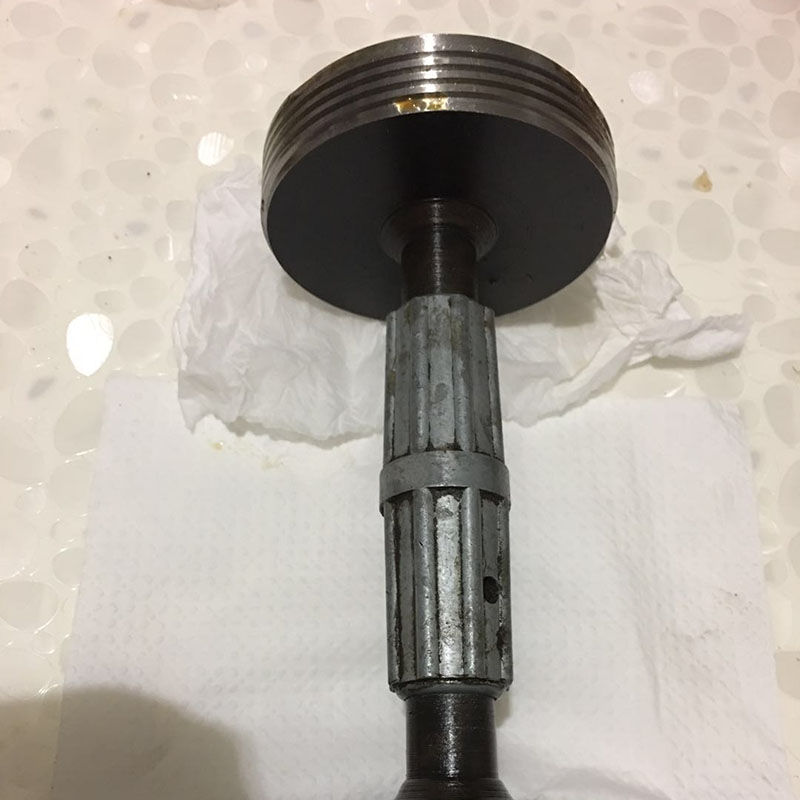
Versatile Applications of Magnetic V Blocks in Precision Machining and Setup
The Versatile Uses of Magnetic V Blocks in Precision Engineering Magnetic V blocks are essential too
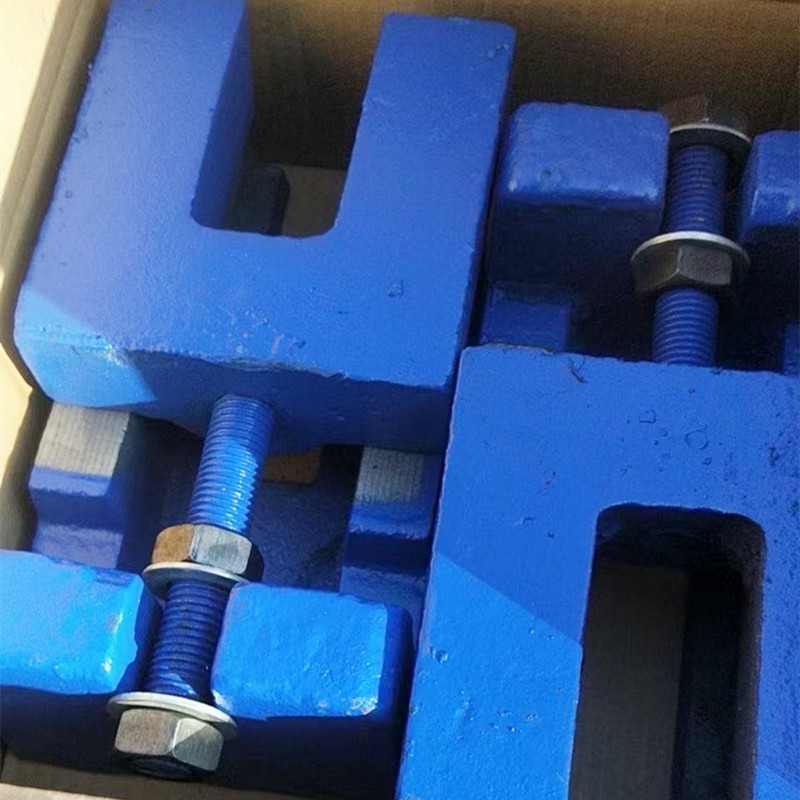
water valve which way is open
Understanding Water Valves Determining the Open Position Water valves play a crucial role in plumbin
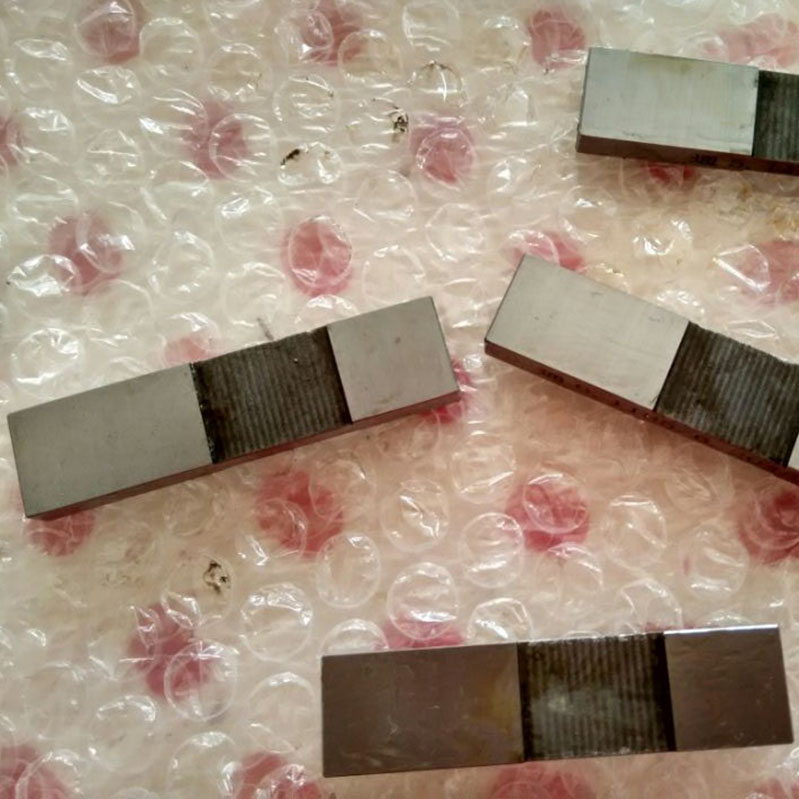
Wood Fence Post Cap
Wood Fence Post Caps Enhancing the Beauty and Functionality of Your Outdoor Space A wood fence post
 English